The artificial intelligence conversation has a blind spot the size of the global economy's physical infrastructure. And the cost of that blind spot is now being measured in something more serious than lost productivity.
For years, the dominant AI narrative has been mostly about knowledge work, such as emails, analysis, creativity, and how the professional class reimagines how it operates. It is an interesting perspective. It is also, in the context of what is currently happening to
global energy systems,
a comfortable one.
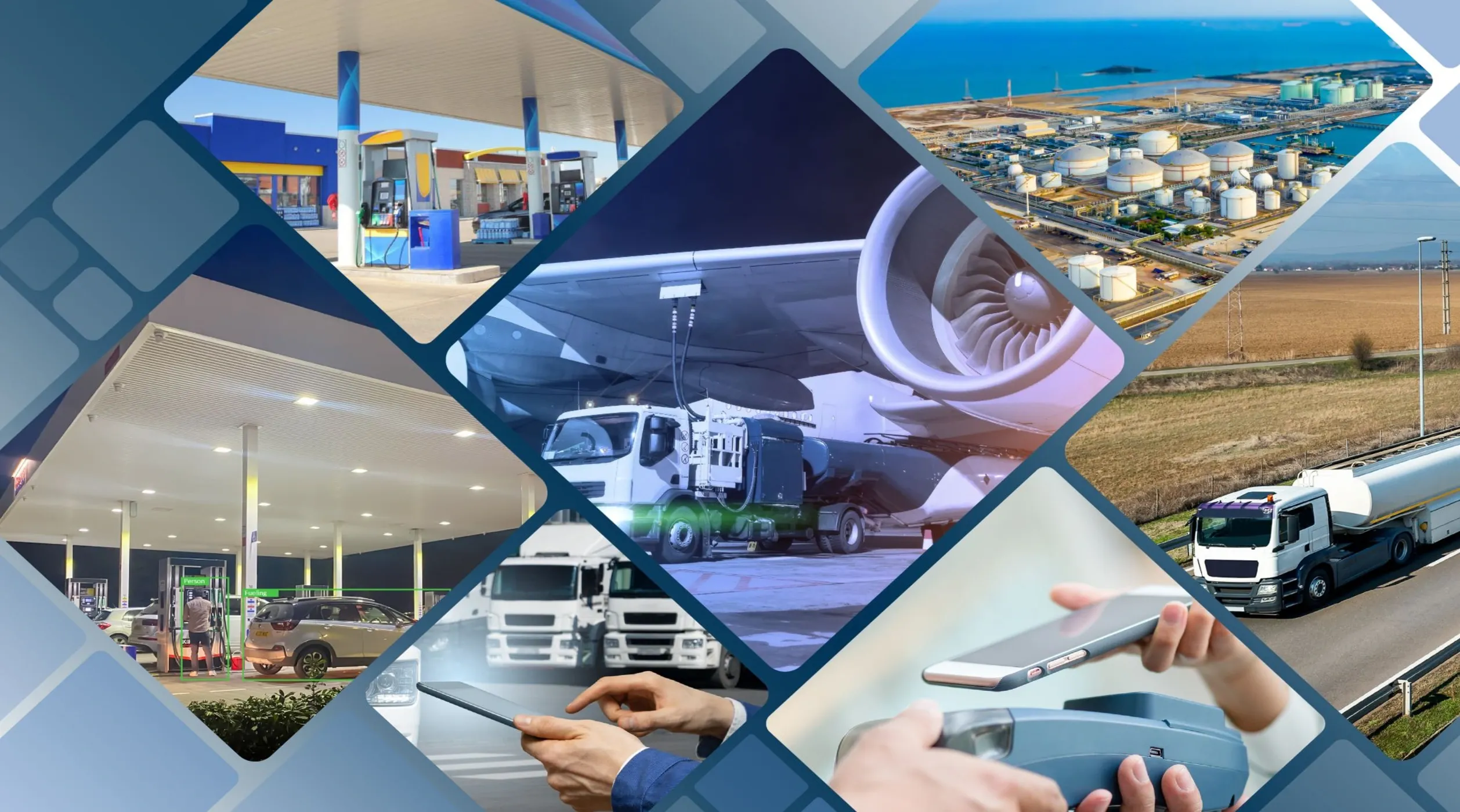
Here is what is not being said: across fuel retail networks supplying energy to hundreds of millions of people in Africa, Asia, and the Middle East, the majority of operators cannot tell you in real time how much fuel they have, where it is, and what the downstream consequences of any supply disruption will be.
How Real-Time Fuel Data Drives Operational Resilience
The data exists at the forecourt and is not reaching the boardroom. This disconnect is a governance failure, one that the current operating environment is repricing without sentiment.
Operational data from
FuelTrans
deployments across more than 20,000 stations in 35 countries shows exactly what closing that gap delivers: logistics costs fall materially, working capital locked inside broken supply chains is recovered, and the capacity to absorb disruption becomes structurally different from what peers operating in informational isolation can offer.
The AI era will not reward organisations that used
intelligent automation
to make their offices more productive.It will reward those that used it to make their operations more resilient and survivable.
Those are not the same organisations. In most sectors, right now, they are not even having the same conversation.